
You are here: Home / Spreadsheet / Paste-and-pick shelves
Paste-and-pick shelves: easy wins for a first ZentBuy basket
Nine categories where one size fits most, parcels stay light and the warehouse photos show nearly everything that matters.
What makes these shelves forgiving
A first order through any buying agent teaches more about the agent than about the product. You learn where the option menu hides colour codes, how long a seller takes to post, what the warehouse photos look like and how the parcel screen prices a box. All of that is easier to learn with a twelve-dollar tee than with a pair of boots.
These nine shelves share four traits. Size is either irrelevant or adjustable. The items are light and flat, so they rarely push a parcel into volume pricing. The routine set of three to six warehouse photos shows the parts that go wrong (print edges, stitching, colour). And if something disappoints, the loss is the item price rather than a heavy shipping bill.
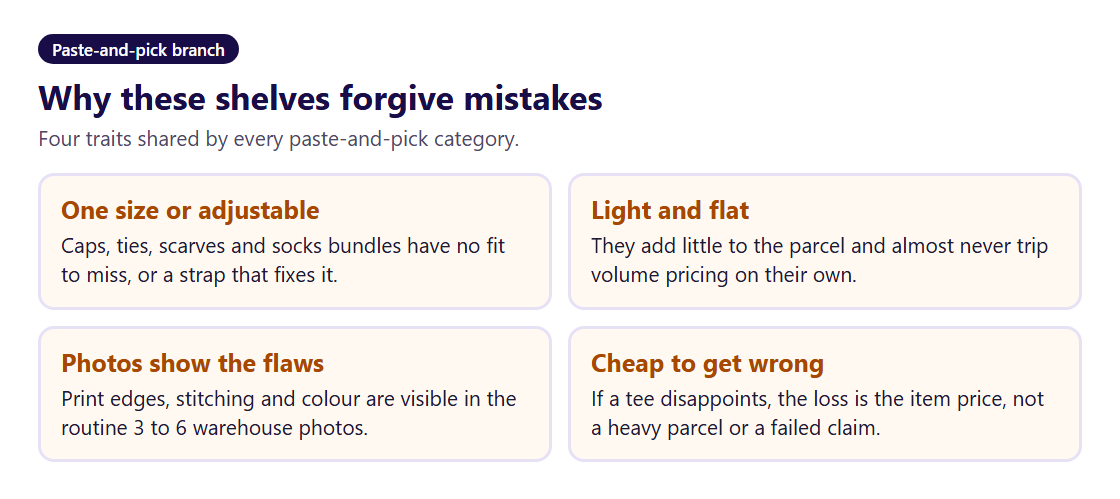
The nine paste-and-pick shelves
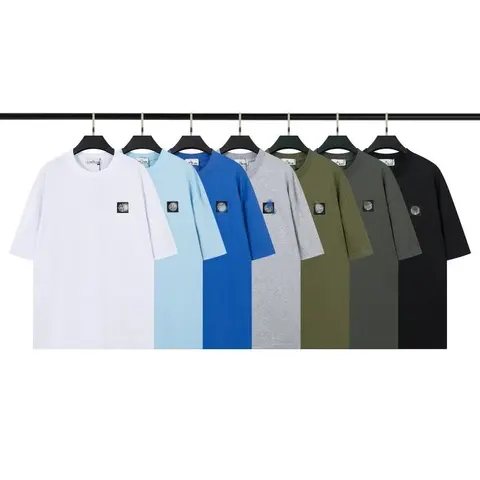
T-shirts
Tees forgive a half-size miss, weigh little and photograph honestly, which is why they open the tree. In the warehouse photos look at the collar rib (it should lie flat, not ripple) and at the edge of any print, where cheap transfers lift first. Heavier cotton is usually listed by grams per square metre; a figure in the 200s feels noticeably sturdier than one in the 140s.
Browse the t-shirts shelf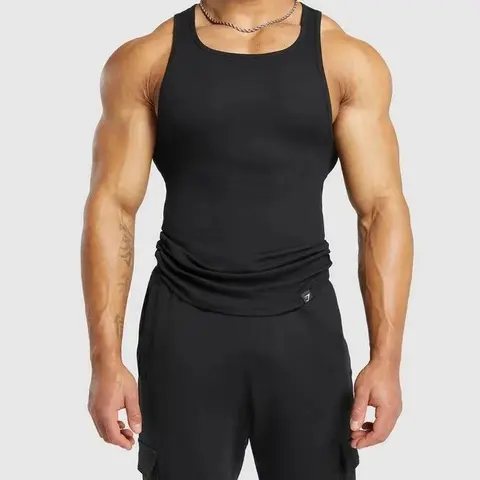
Tank tops
A tank is a tee with fewer things to go wrong: no sleeves to twist, almost no weight in the parcel. The one detail worth a second look is the armhole drop, because sellers photograph on gym models and a deep cut reads very differently on an ordinary frame. Ribbed fabric also hides small flaws, so ask for a flat-lay photo if the listing only shows it worn.
Browse the tank tops shelf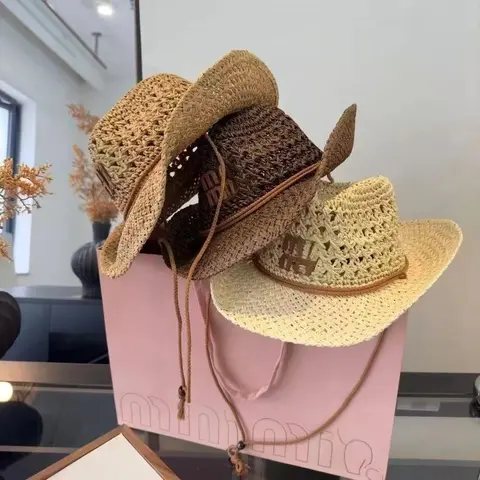
Hats and caps
Caps and bucket hats are mostly adjustable, so the gamble is shape rather than size. Crown height decides whether a cap sits like the photo or perches on top of your head; sellers list it in centimetres if you scroll the size image. Structured hats travel crushed unless you ask for a box, which adds volume to the parcel.
Browse the hats and caps shelf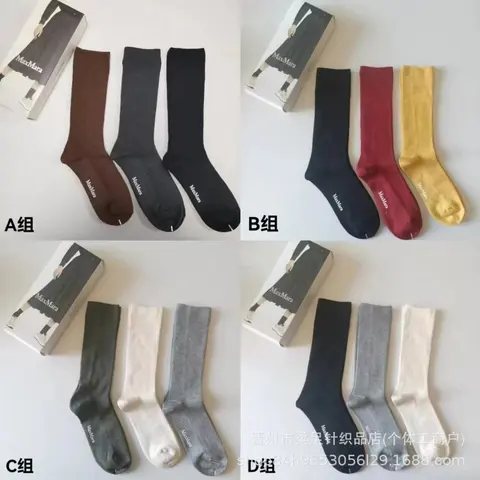
Socks
Socks come in bundles, and the bundle letter in the option menu (group A, group B and so on) is the whole decision: it fixes which colours you receive. Count the pairs in the warehouse photo against the listing. Note that underwear, socks and leggings sit on the list of goods that cannot use the five-day return, so choose deliberately.
Browse the socks shelf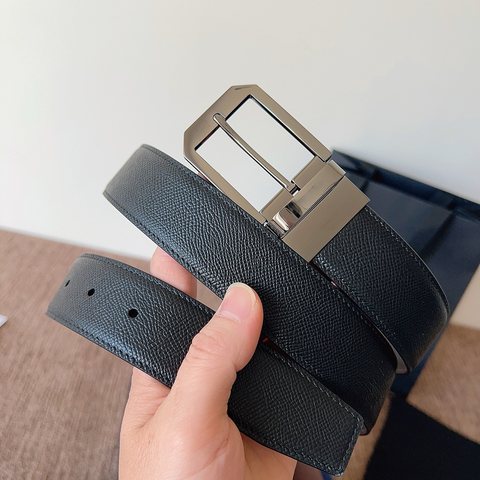
Belts
Belt sizes in Chinese listings are usually total strap length in centimetres, buckle included, not your waist size. Add roughly the overlap you like past the buckle to your trouser waist measurement. Metal buckles add surprising weight to a small parcel, so a belt is cheap to buy but not always cheap to ship alone.
Browse the belts shelf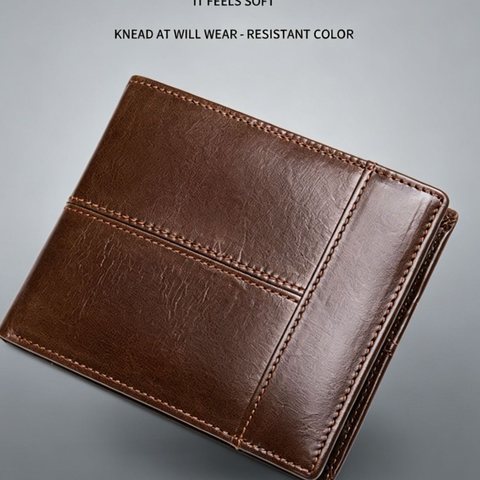
Wallets
Wallets are compact, rigid and easy to judge from photos: count the card slots in the inspection pictures and look at the edge paint along the folds, which cracks first on cheap leather. If the listing says genuine leather but the price is very low, ask for a close-up of the inside label before it ships.
Browse the wallets shelf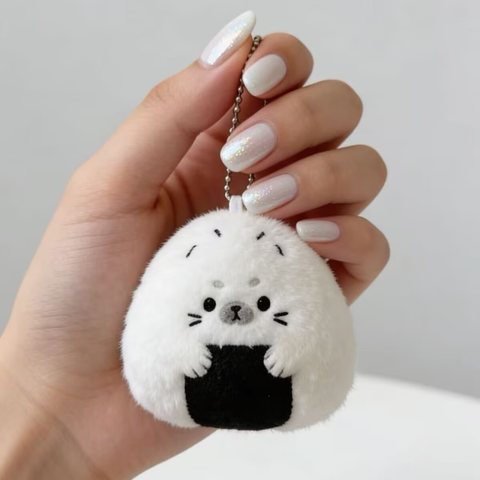
Keychains
Keychains are about the lowest-stakes first purchase there is, and they are a good way to learn the interface before spending more. The one thing photos can show is the metal: a split ring or lobster clip that looks thin in the picture will be thin in your hand. Plush pieces arrive squashed and recover in a day.
Browse the keychains shelf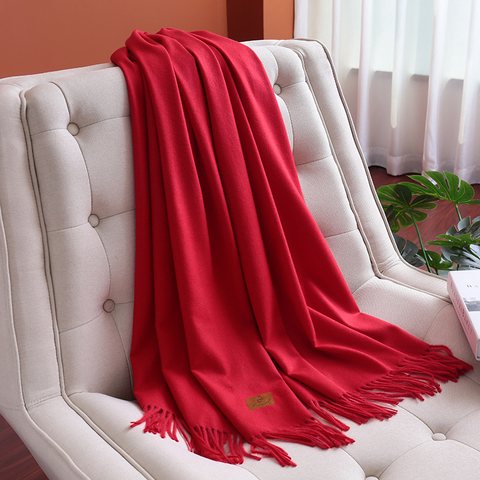
Scarves
Scarves have no size to get wrong, so the questions are fibre and colour. Listings often mix cashmere-feel and wool wording; the fibre percentage on the care label is the only reliable answer, and you can ask the warehouse to photograph that label. Reds and camels shift the most under warehouse lighting.
Browse the scarves shelf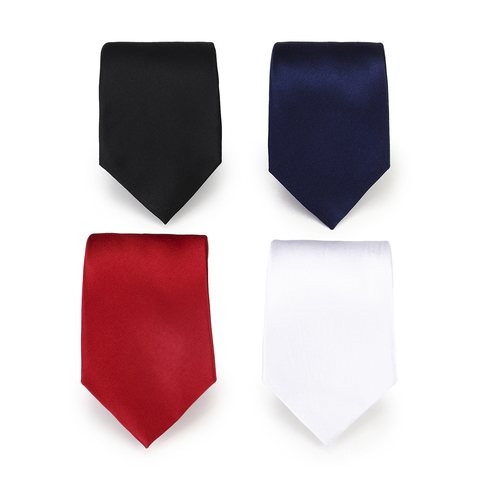
Ties
Ties are light, flat and easy to photograph, which makes them a quiet favourite for filling a parcel. Blade width is listed in centimetres (around eight is classic, six reads slim). Silk claims are hard to verify from photos; the sheen in a warehouse close-up tells you more than the title does.
Browse the ties shelf
Photo checks for small first orders
On this branch the routine photos do most of the work. Open each one at full size and check three things: the colour family against the thumbnail you chose, the edges of any print, and the label or tag that confirms which option the seller actually sent. If a photo is blurry, ask for one specific extra angle; ZentBuy charges 1 CNY per custom photo, which costs less than anything else that can rescue an order.
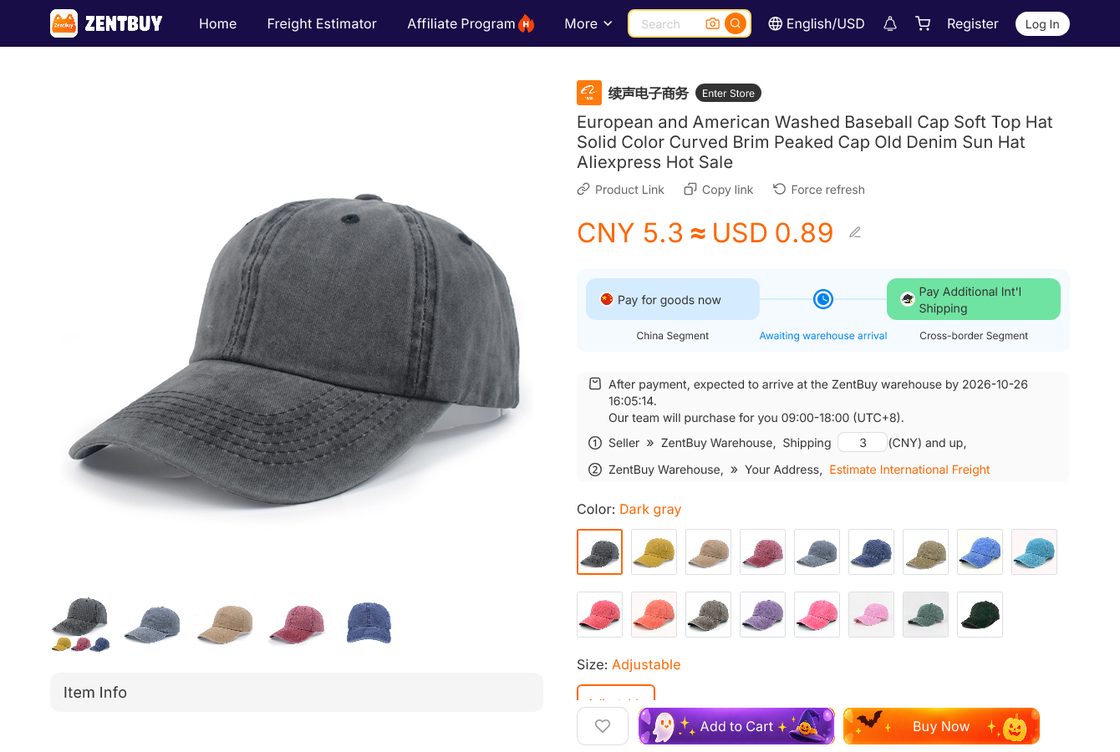
The ZentBuy product page shows the option thumbnails, the seller's domestic postage and an estimated date the item should reach the warehouse. The screenshot below is a plain washed cap, one of the easiest first purchases on this branch.
Where easy shelves still bite
Even easy shelves have traps. Socks and underwear-adjacent bundles cannot use the five-day return, so a wrong bundle letter is permanent. Caps photographed on a mannequin head can have a much taller crown than you expect. Belts are listed by total strap length, not by waist size. And very cheap items attract very cheap packaging; a hat crushed flat in a bag is normal unless you ask for a box, which then costs volume.
The other trap is the parcel itself. A basket of six light items is still a parcel with a first-weight charge. The route board shows that a half-kilogram parcel already costs between about two-thirds and four-fifths of a full kilogram on every line we read, which is the case for filling a first parcel rather than sending one cap alone.
When your first parcel has landed, the size-chart branch is the next step: same interface, one new skill. Go to the size-chart shelves.